

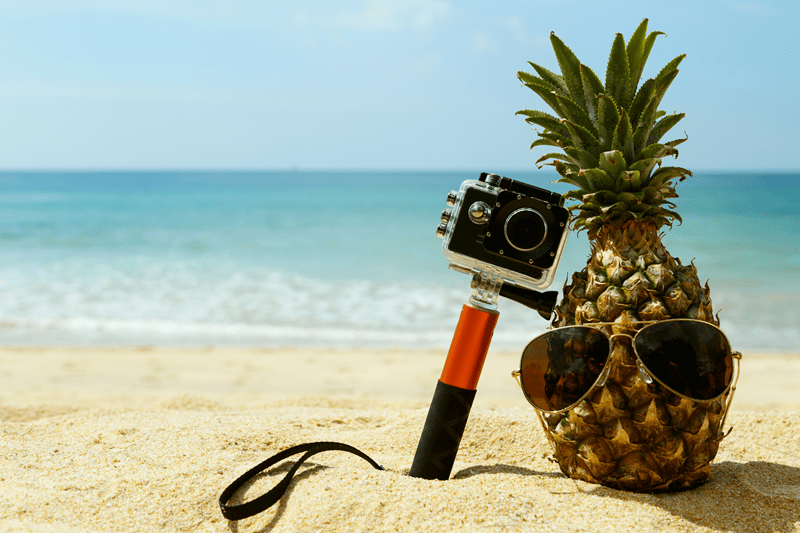
Photography at the beach is among the most enchanting experiences one can have. The sky unveiling itself, the water rolling towards the shore, and the sun illuminating the scene are nearly perfect photographic subjects.
However, these, accompanied by the correct beach photography tips, can elevate regular pictures to classic art that can be proudly hung on any wall.
Understanding how to utilize light, angles, and the changing scene will allow you to take beach photos that look stunning.
The essential element for beach photography is light. Golden hour, which happens immediately after sunrise or shortly before sunset, is the best time to take pictures because the light during these periods is soft and diffused, hence it is most flattering to everything that is photographed.
During this hour, shadows become less harsh, textures are more pronounced, and the whole coastline takes on an enchanting look. The light at noon is too strong, while golden hour brightens up the colors and calms the scenes.
Beaches are never dull, filled with the sound of the crashing waves, the sight of the flying birds, and the presence of the frolicking children. If you will be taking ocean photos, then include it in your work movement as it breathes life into your pictures. Movement can only energize the work and is usually the first step towards a storyline.
These are a few simple ways of handling the problem of movement:
These tiny choices represent the most essential coastal photography techniques, and through them, you can depict the beach as an energizing source of nature.
Most folks take pictures at their height, and hence when looking at photos, one sees similar points of view and standard stuff of the day, but the mere fact of changing your viewpoints can change your work's tone totally. While recording beach experiences, the use of different angles to photograph not only increases the creative power of your pictures but also lets you experiment with the new visual arts realm.
Even minor alterations of angles can make a towering difference.
Composition plays a major role in directing the spectator's gaze. One of the simplest ways to get better images is the rule of thirds. Instead of centering the subject, put it on a grid line for more equilibrium. While taking ocean photos, you can also use the midground elements, such as the shells or rocks, to improve beach pictures. This stops the flattening of the photo.
Also, the right placement of the horizon line is equally important. A slanted horizon can spoil even the most gorgeous beach view. Small changes can bring significant changes when improving beach pictures.
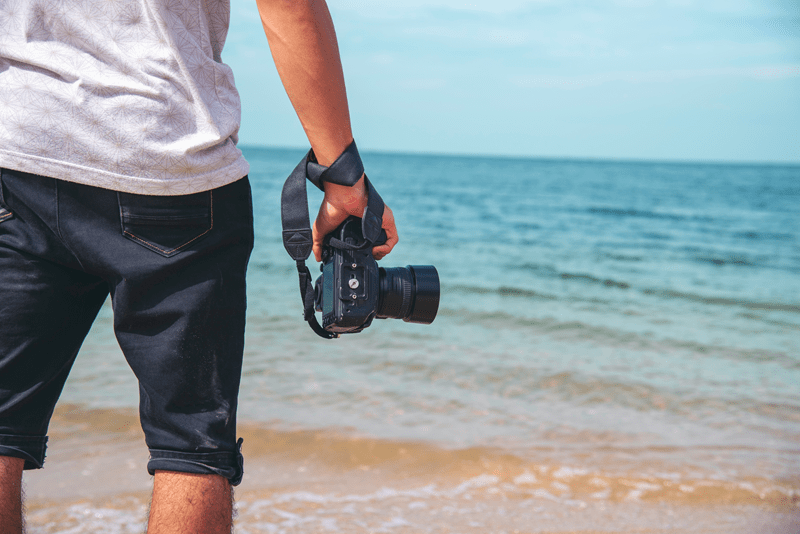
At the Ocean's edge, Nature provides abundant natural resources that will help you create more visually appealing images through added texture and depth.
Think of these simple additions:
These little things not only facilitate unique beach photo ideas but also help to create more dynamic images. The natural props offer structure and storytelling to the simple scenes.
Beaches are full of natural mirrors with the wet sand and the shallow water. These reflections are made into artistic and symmetrical photos, mainly during sunrise or sunset. They make the silhouettes, the portraits, and the landscape shots look much better.
Shadow works just as well. The long shadows of the golden hour have the power to add drama and direction to any shot. They guide the viewer towards the subject, and they also bring life to the great outdoors, which then looks as if they are of the wide spaces kind. By using reflections and shadows, you will unlock new levels of creativity.
Since sand and saltwater are troublemakers for cameras, it is very important to take the necessary measures to protect your camera gear. Nature may sometimes challenge your creativity, but never forget that by taking a few precautions, your camera will be safe and sound.
While not shooting, place your camera securely in a bag. Employ lens filters so that there won't be any scratches on your lenses. Do not change lenses if it happens to be a windy day. Clean your camera to avoid salt accumulation.
The most valuable beach photos are those that come out of nowhere, unplanned. When you are capturing beach moments, these kinds of natural interactions turn into emotional images most of the time. Laughter, walks, quiet views of the sunset, and playful moments all have something in common: they are authentic.
Candid photography shows to the camera the genuine faces and the natural gestures of people involved. These works show the soft beach lighting as well as the sense of relationship between the people. Have your camera handy so you will be the one to shoot these unplanned moments.
The appeal of minimalist beach photography is in its potential to be very effective. Beaches are great natural models because they come with a lot of open space and straightforward lines, thus making simple compositions visible. The visual power of just one person walking, a lone shell in the sand, or a wave breaking can be very strong.
This method is in harmony with lots of other Beach Photography Tips, in particular, those which emphasize clarity and emotion. Simplicity is at the core of color, texture, and mood with no interruptions.
By editing, you can make the colors and tones a bit more attractive without losing the beach's natural charm. Ocean scenes are great for soft contrast, warm tones, and gentle highlights. Light editing brings out the details while keeping the image clean.
Make sure the edits you do on your ocean shots are as close to reality as possible. Change the exposure, fix the horizon, and make the sky look better without doing too much with the saturation. The edit stage is there to add that extra bit of shine, but it should still be barely noticeable.
The beach is a place where you can creatively do many things without running out of beach photo ideas. By improving beach pictures, you can create beautiful, high-quality works of art that would look great framed.
With the proper amount of time, practice, and the desire to improve your beach photography, you can create images that are truly a representation of the beauty of the beach.
Golden hour, either at sunrise or sunset, is when the light is warm and soft and is perfect for beach photography.
Reduce your exposure, take pictures with the sun behind your subject, or work in shaded areas.
Employ fast shutter speeds if you want the movement to be frozen and slow ones if you want the water to appear smooth and flowing.
Position your subject according to the rule of thirds, always keep your horizons straight, and use foreground elements to add depth.
This content was created by AI